Product successfully added to your shopping cart
Subtotal of your cart (1 item)
:



8,90 € tax incl.
Only 250,00 € left to get free shipping
WBIN1
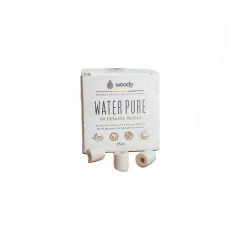
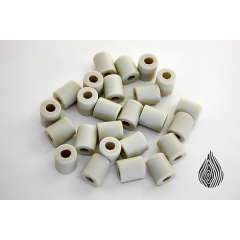
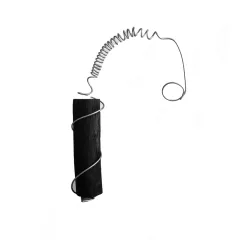
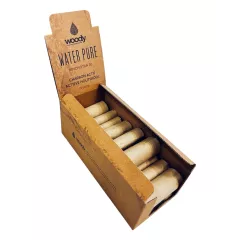
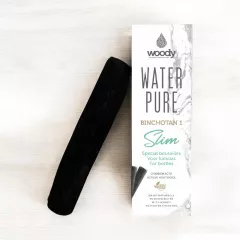
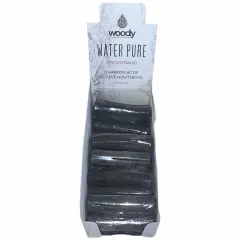
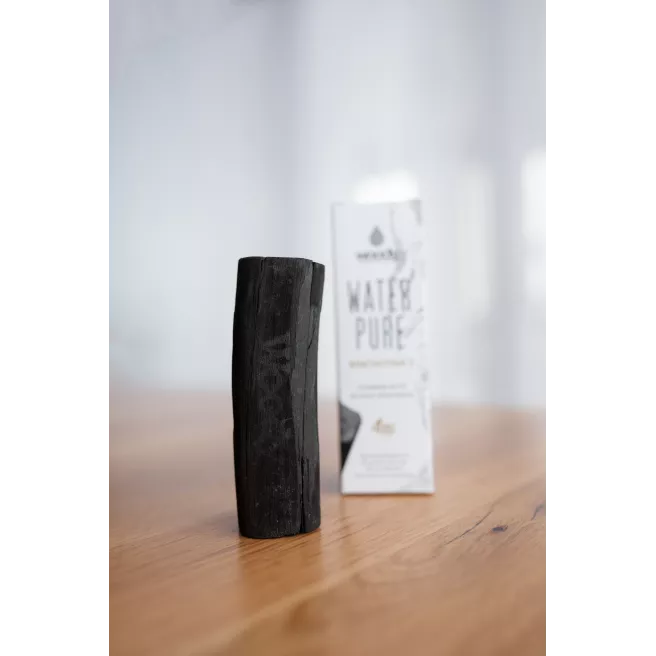
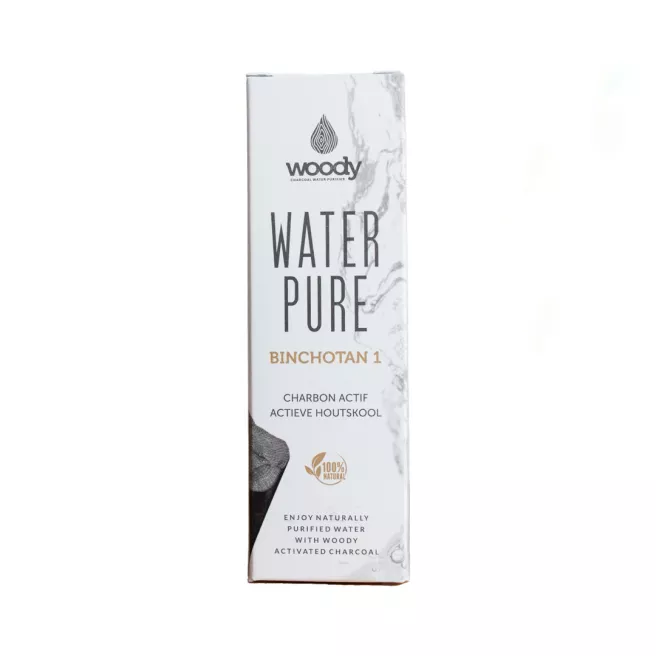
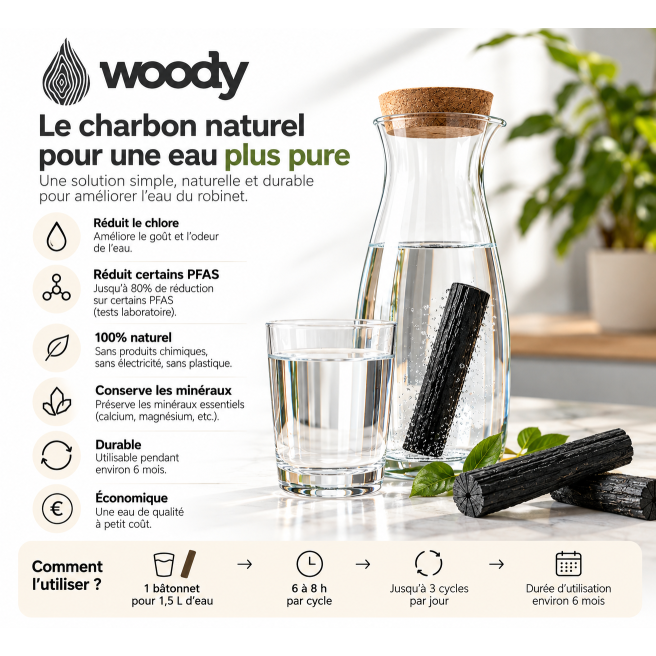
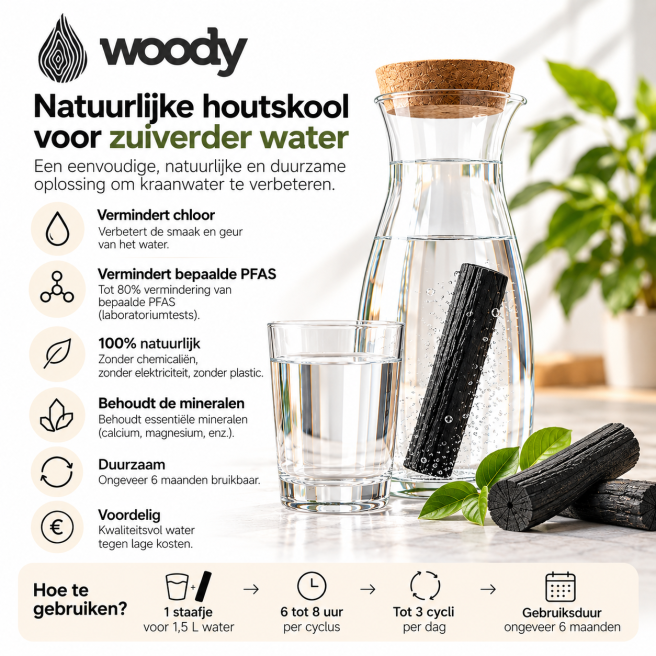
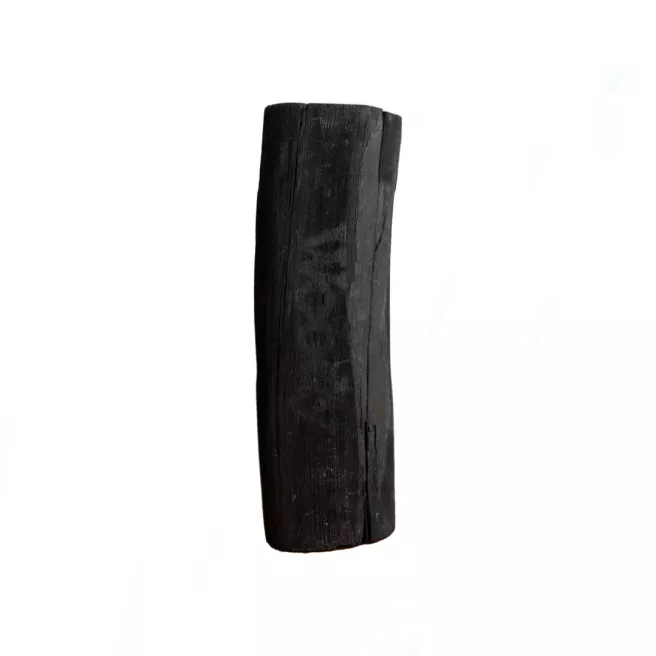
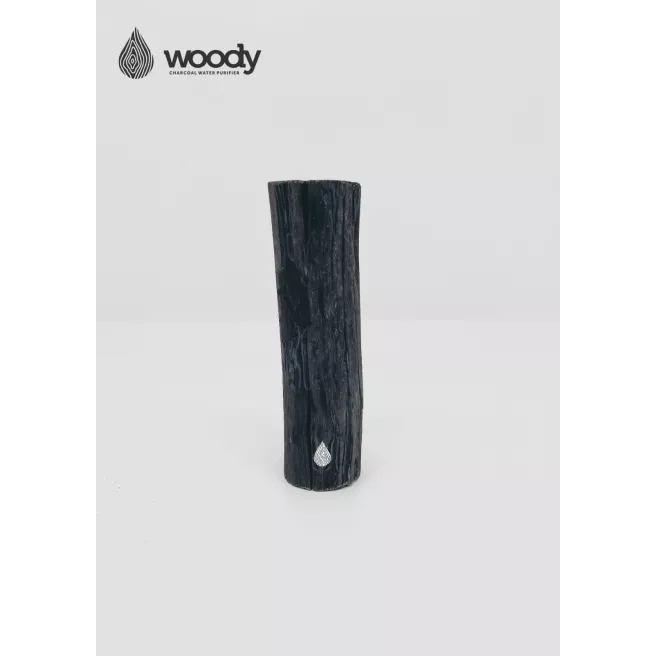
Discover the WOODY Binchotan activated charcoal, made in Indonesia from Pelawan wood (Tristaniopsis obovata). A natural and sustainable solution to filter tap water, improve its taste and enjoy a more pleasant water every day. Its effectiveness on PFAS has now been tested by an independent French laboratory. After 8 hours of contact, the analyses show up to 80% reduction measured on certain PFAS, with 20 PFAS analyzed and a 45% reduction on the sum of the 20 PFAS under the test conditions. A simple Binchotan stick. Natural filtration. Laboratory measured results.
Availability date:
Data sheet
| Length | 3.94 inches |
| Width | 2-4cm |
| Weight | +_80g |
| Origin | Indonesia |
More info
Woody's Binchotan Activated Charcoal
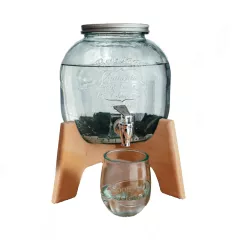
Transform each glass of tap water into a pure and delicious drink thanks to the Woody's binchotan activated charcoal water filter. Binchotan activated charcoal has been recognized for centuries for its exceptional water purification properties. Made from wood branches, burned at high temperature (1200°C) then rapidly cooled, it offers an ideal porous structure to eliminate impurities and contaminants.
Main Features :
- Handcrafted : Each piece is meticulously crafted by Widha, ensuring optimal quality through traditional techniques.
- Material : Using Pelawan wood (Tristaniopsis Obovata), this charcoal benefits from an increased density that maximizes filtration efficiency, offering superior absorption of impurities.
- Origin : Producted in Indonesia, it benefits from high-quality materials and ancestral know-how, ensuring natural and effective purification.
Benefits :
- Increased Efficiency : Thanks to the exceptional density of the Pelawan wood, the Woody Binchotan surpasses traditional charcoals in terms of purification. It absorbs toxins, contaminants and impurities, while improving the taste and smell of the water.
- Durability : Usable for approximately 6 months, each piece can be regenerated by boiling, extending its lifespan and reducing waste.
- Eco-friendly : By choosing Binchotan, you opt for a sustainable and biodegradable solution, reducing the use of disposable plastics.
Why choose binchotan activated charcoal?
Effective and Natural Purification Binchotan activated charcoal purifies water by adsorption, capturing impurities on its porous surface. It effectively removes chlorine, heavy metals and chemicals, while alkalizing the water and releasing beneficial minerals such as calcium and magnesium.
Improved Taste and Smell Say goodbye to the unpleasant taste and smell of tap water. The binchotan improves the quality of your water, making it more pleasant to drink.
Economical and Durable Use an activated charcoal stick for 6 months, thereby reducing your expenses on expensive water filters and plastic bottles.
A Gesture for the Planet By opting for activated charcoal, you reduce your consumption of single-use plastic, thus contributing to the preservation of the environment.
Health Benefits Enriched with essential minerals like calcium, magnesium, and iron, your water becomes healthier and beneficial for your body.
What activated charcoal removes from your water
Recycle the activated charcoal after 6 months
Don't throw away your binchotan stick after use! Here are some ideas to recycle it:
Why is Binchotan Activated Charcoal that Floats in Water of Poor Quality?
A good quality binchotan activated charcoal is dense and naturally sinks to the bottom of the water. If the stick floats, it may indicate inferior manufacturing, with an insufficient porous structure to ensure effective adsorption of impurities. A poor quality binchotan will have reduced performance in terms of water purification, thus compromising the expected benefits. Always choose an authentic and high-quality binchotan to ensure optimal purification of your water.
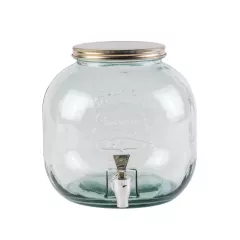
Usage Steps
Daily Use
Lifespan
Recycling Steps
1. Deodorant : Use the old Binchotan charcoal to absorb odors in the refrigerator, shoes, or closets.
2. Moisture Absorbent : Place the charcoal in damp places to absorb excess moisture.
3. Fertilizer for Plants : Crush the old charcoal and mix it with potting soil to improve soil quality and water retention.
4. Composting : Add the used Binchotan charcoal to compost. It improves aeration and compost structure, promoting faster decomposition.
Discover the exceptional properties of Tristaniopsis Obovata for the manufacture of high-quality Binchotan activated charcoal
The Tristaniopsis obovata, or Pelawan, stands out not only for its high density and durability, but also for its unique properties that make it an ideal material for the manufacture of high-quality activated charcoal.
Why is Tristaniopsis Obovata ideal for activated charcoal?
1. High Density : The Tristaniopsis obovata has a density ranging from 800 to 1,000 kg/m³. This high density means that the wood is very compact, with low natural porosity. This allows for the creation of an activated charcoal with a highly developed micro-porous structure. Offering an exceptional adsorption surface to capture impurities and contaminants. 2. Durability and Resistance: Thanks to its natural resistance to termites and other decomposing agents, activated charcoal made from Tristaniopsis obovata is particularly durable. This durability translates into increased longevity of activated charcoal filters, thus reducing the frequency of replacement and associated costs. 3. Purity of the Material: The wood of Tristaniopsis obovata is naturally pure and does not contain any additives or unwanted chemical residues. When transformed into activated charcoal, it provides a water filtration solution that does not release harmful substances, ensuring safe and effective water purification. 4. Microporous Structure: The process of making activated charcoal from Tristaniopsis obovata, involving high-temperature combustion followed by rapid cooling, creates an ideal micro-porous structure. These micro-pores increase the available surface area for adsorbing contaminants such as PFAS, chlorine, heavy metals, and volatile organic compounds (VOCs), making drinking water purer and healthier. Concrete Advantages of Activated Charcoal in Tristaniopsis Obovata - Filtration Efficiency: Elimination of up to 90% of PFAS and other contaminants. - Improvement in Water Quality: Alkalization of water and release of beneficial minerals. - Environmental Durability: Reduction in plastic consumption due to natural and durable filtration. For more information on Tristaniopsis obovata and its applications, please consult the following sources: - NVBT - Sea Tristania or Pelawan - National Parks Board - Tristaniopsis obovata Comparison of the density of Tristaniopsis Obovata with other tropical and non-tropical woods Tristaniopsis obovata: Density: 800 to 1,000 kg/m³ Oak: Density: 750 to 900 kg/m³ Maple: Density: About 700 to 750 kg/m³ Teak: Density: About 600 to 750 kg/m³ Bamboo: Density: 350 to 650 kg/m³ Eucalyptus: Density: 600 to 900 kg/m³ Protect your health with Woody's Binchotan Activated Charcoal Dangers of PFAS Pollution Per- and Polyfluoroalkyl Substances (PFAS) are synthetic chemicals commonly used for their non-stick and water- and grease-resistant properties. Their persistence in the environment and their ability to accumulate in living organisms pose serious dangers: For Human Health: - Endocrine Problems: PFAS disrupt the hormonal system, causing reproductive and developmental disorders. - Cancer Risk: Exposure to certain PFAS is linked to an increased risk of liver, kidney and testicular cancers. - Weakening of the Immune System: PFAS can decrease the immune response, making the body more vulnerable to infections and vaccines. - High Cholesterol: They increase the level of blood cholesterol, a risk factor for cardiovascular diseases. For the Environment: - Persistent Contamination: PFAS are extremely resistant to degradation, persisting in soils and waters for decades. - Bioaccumulation: They accumulate in the tissues of living organisms, disrupting food chains and affecting wildlife and flora. Extent of PFAS Pollution in Europe PFAS pollution is a growing concern in Europe. These substances have been detected in groundwater, surface water, and even in drinking water. The European Union is taking steps to limit PFAS levels in drinking water and reduce existing contamination. Efficacy of Activated Charcoal Filtration against PFAS Activated charcoal is a proven solution to reduce PFAS in drinking water. Advantages of Binchotan Activated Charcoal: Advanced Porous Structure: Superior Adsorption Capacity: The Woody Binchotan, made from dense wood, has a micro-porous structure that effectively adsorbs contaminants, including PFAS. Proven Performance: Scientific Studies: Research shows that activated charcoal filters can remove up to 90% of PFAS from drinking water. The exact effectiveness depends on the size of the PFAS molecules, the type of activated charcoal used, and the filtration conditions. Why choose Woody's Binchotan Activated Charcoal? Woody's Binchotan Activated Charcoal offers effective and natural purification of your water. With PFAS removal rates of up to 90%, it guarantees purer and healthier water for you and your family. By choosing this filter, you are choosing an eco-friendly solution that reduces your plastic footprint while improving your water quality. Do not let PFAS threaten your health and that of your loved ones. Adopt Woody's Binchotan Activated Charcoal today and choose pure and tasty water.
Download
Water test conducted before filtration through activated charcoal on tap water
Download (328.87k)Water test conducted after using an active Woody Binchotan charcoal for 8 hours
Download (329.14k)Reviews
You must log in to give a review
Customers who bought this product also bought:
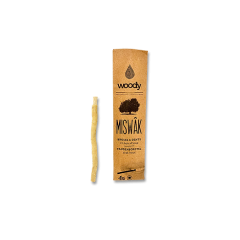
8 other products in the same category:
No, absolutely not! You can continue to use your charcoal normally. In fact, when the charcoal is broken, its active surface area increases, which can even improve its efficiency.
We work with leading organic retailers, online pharmacies, and distributors across Europe.





















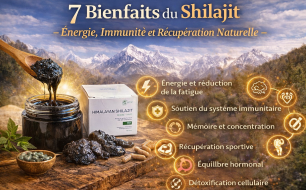
Discover Holistic Shilajit Resin: A Treasure of Natural Vitality at a Gentle Price
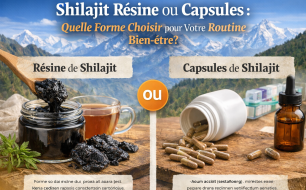
The shilajit, a natural resin from the Himalayan mountains, has become one of the most sought-after natural supplements in the wellness world. Rich in fulvic acid, minerals, and trace elements, it is now available in several forms: raw resin, capsules, liquid drops, or even gummies.
But which form to choose? In this article, we compare the different options to help you select the shilajit format best suited to your daily routine, according to your preferences, your lifestyle, and your wellness goals.
Shilajit is a rare natural resin from the Himalayan mountains and has been used for millennia in Ayurvedic medicine. Today, its popularity is rapidly increasing in Belgium, especially for its properties related to energy, vitality and the overall balance of the body.
However, the European market is also flooded with products of uncertain quality. In this article, we explain how to recognize pure and certified shilajit in Belgium, what criteria to check before buying and why official certification is essential to guarantee the safety and authenticity of the product.
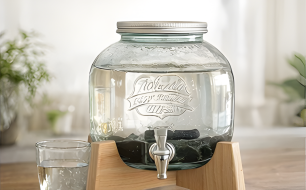
Woody | Company N° : 0757.532.782 | Legal Notice & Contact | General Conditions
Terms of use of website | Cookies | Personal Data | Processing of your data by Google
© Copyright 2024-2026 - E-net, creator of e-commerce websites for businesses, self-employed, & SMB.


A unique experience
We are committed to offering you secure and customizable browsing. We use cookies for this purpose to provide you with offers tailored to your areas of interest, anonymously collect statistical data and make your visit as pleasant as possible. Google may use your personal data and cookies to personalize its advertisements
Product successfully added to your shopping cart